Cycle Tracking and Symptom Mapping in Perimenopause
Cycle Tracking and Symptom Mapping for Perimenopause Understanding Your Body with Clarity
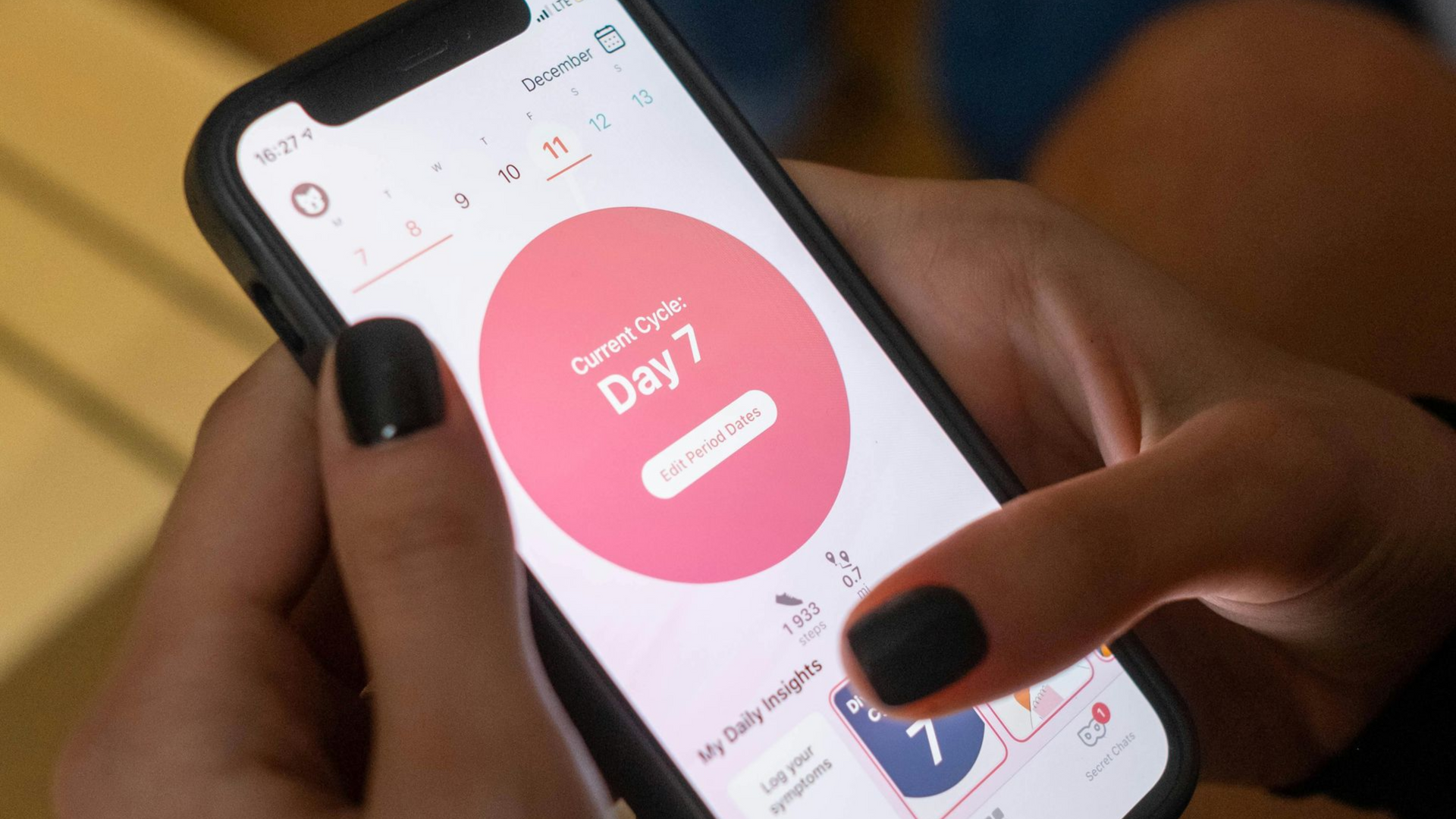
One of the most effective tools I teach women in perimenopause is a simple one, yet it changes the entire experience: tracking your cycle and mapping your symptoms.
Perimenopause creates inconsistency.
Your energy changes week to week.
Your mood may shift without an obvious pattern.
Some months you feel stable and others feel unpredictable.
When you understand your personal rhythm, the confusion begins to soften. What once felt random starts to reveal structure. Your symptoms become information rather than frustration.
Cycle tracking is not about controlling your experience. It is about understanding it.
Why Tracking Matters in Perimenopause
During your twenties and thirties, hormones follow a relatively predictable pattern. Perimenopause changes that. Oestrogen becomes erratic, progesterone declines, and the nervous system becomes more sensitive. These shifts influence everything from your sleep and appetite to your emotional landscape.
When you pay attention to your patterns, you begin to notice:
• which symptoms align with oestrogen spikes
• which symptoms appear when progesterone drops
• how stress affects your cycle length
• how your energy fluctuates across the month
• which foods or environments intensify symptoms
• when your body signals that it needs rest
• what triggers inflammation, anxiety or fatigue
• how to plan your workload and commitments realistically
Without tracking, these changes simply feel chaotic.
With tracking, you develop a sense of internal order that reduces worry and puts you back in relationship with your body.
What to Track
You do not need a complex system.
Most women begin with a note on their phone, a spreadsheet, or a dedicated app.
Areas worth tracking include:
1. Cycle Length
Notice any shortening, lengthening or irregular spacing between periods.
2. Bleeding Pattern
Flow intensity, clots, spotting, mid cycle bleeding, and recovery time.
3. Mood and Emotional Landscape
Irritability, anxiety, sensitivity, motivation, mental clarity, resilience.
4. Sleep Quality
Difficulty falling asleep, early waking, restlessness, night sweats.
5. Physical Symptoms
Breast tenderness, headaches, bloating, joint pain, digestive changes.
6. Energy Levels
Identify which days feel productive, calm, unstable or depleted.
7. Environmental Inputs
Stress exposure, shifts in workload, alcohol intake, travel, disrupted routine.
Over time, patterns begin to emerge.
Not perfect patterns, but meaningful ones.
How Symptom Mapping Supports Your Health
Symptom mapping helps you build a personalised interpretation of your hormones and nervous system. It allows you to anticipate certain changes rather than feeling blindsided by them.
Here is how it helps:
1. Reduces anxiety through clarity
Once you recognise that your anxiety or irritability appears at certain hormonal points, it becomes easier to manage and less loaded with fear.
2. Helps you respond, not react
If you know that sleep or energy drops at predictable times, you can adjust your week rather than pushing through and burning out.
3. Improves conversations with clinicians
Clear data allows your practitioner to see trends, rule out other conditions and tailor interventions.
4. Highlights areas that need nutritional support
Patterns of bloating, fatigue or cravings often reflect mineral deficiencies, blood sugar instability or inflammation.
5. Helps you understand your stress physiology
Women often discover that their symptoms intensify during periods of high emotional demand, revealing a nervous system connection, not just a hormonal one.
6. Supports emotional processing
When emotional patterns repeat, it highlights areas of your life that may need boundaries, support or deeper reflection.
7. Allows you to see what is improving
Progress can be subtle. Mapping shows you where small gains are happening.
This type of awareness gives women agency.
Perimenopause becomes less of an unpredictable disruption and more of an understandable transition.
What Improved Awareness Actually Feels Like
Most women describe a shift from feeling at the mercy of their symptoms to feeling steadier, more prepared, and more connected to themselves.
Awareness does not eliminate symptoms.
But it decreases confusion, reduces fear and builds confidence in interpreting your body’s cues.
This is often the first real step toward feeling grounded again.
When Tracking Suggests It Is Time for Support
Some patterns indicate a need for professional assessment or tailored guidance. These include:
• cycles consistently shorter than 21 days
• cycles longer than 45 days
• heavy bleeding that affects daily life
• increasing anxiety or panic sensations
• unrefreshing sleep that persists
• significant weight changes
• persistent brain fog
• irregular bleeding between cycles
• symptoms that intensify rather than stabilise
Support at the right time prevents deeper dysregulation and guides the body back toward balance.
How I Support Women Through This Process
I am Anca Vereen, an Accredited Practising Dietitian and somatic psychotherapist focusing on women’s health, hormone balance and nervous system regulation.
When working with women in perimenopause, I combine:
• functional nutrition
• symptom and cycle interpretation
• somatic therapy
• emotional regulation tools
• stress physiology education
• personalised lifestyle planning
Together we build a clear understanding of what your symptoms mean and how to respond to them in a way that supports your entire system, not just your hormones.
Book an Appointment
If you would like guidance in understanding your patterns or support navigating the physical and emotional shifts of perimenopause, you can book a consultation with me here:
The more clearly you understand your body, the more confidently you can support it.
Ready to get to the root cause?
I'm Anca Vereen — an Integrative Dietitian, Somatic Psychotherapist and Sound Therapist in Melbourne. If what you've just read sounds like your story, you don't have to figure it out alone. Book a consultation in Balaclava or via telehealth anywhere in Australia, and let's build a plan that works for your body.
[Book Your Consultation] ·
Private Health rebates apply.