

Foods to avoid if you have fructose intolerance
What foods should you avoid if you have fructose intolerance
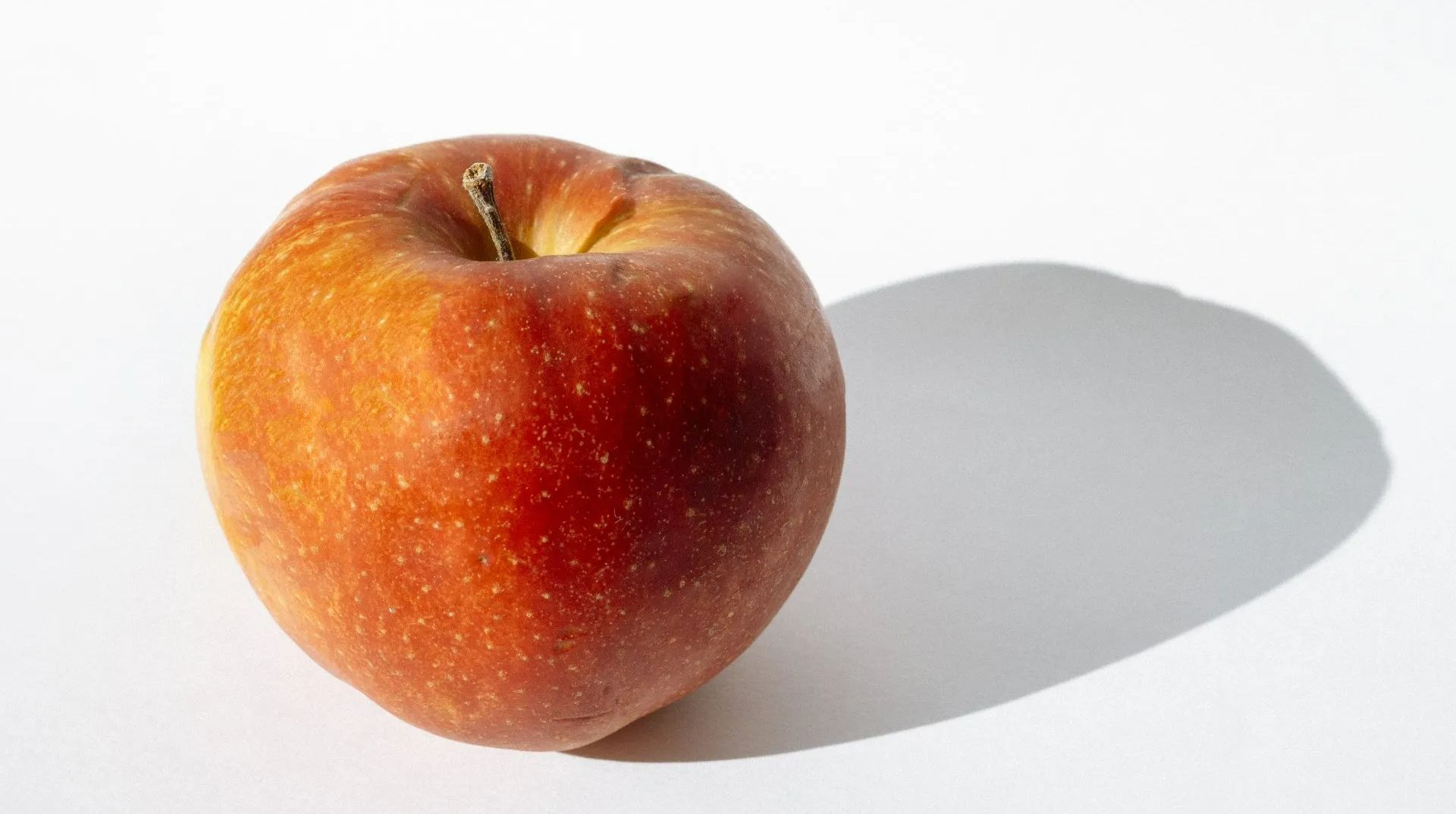
What is Fructose Intolerance?
Fructose is a type of carbohydrate found as single sugar form or as a chain of fructose sugar units (fructans). Fructose intolerance occurs when the normal absorption of fructose in the small bowel is impaired. Unabsorbed fructose moves through to the large bowel, where bacteria ferment it causing bloating, wind, stomach pain, loose bowel motions and/or constipation.
How is Fructose Intolerance Diagnosed?
Fructose intolerance may be diagnosed by your doctor, dietitian, gastroenterologist or by a Hydrogen Breath Test… however the later test is expensive and often gives false positive results. This test is not as valid as once through and I recommend avoiding it.
Please ensure you exclude a coeliac disease diagnosis before testing for fructose intolerance.
What are the Problem Foods?
Not all foods that contain fructose contribute to malabsorption. Foods are generally a problem when they contain more fructose than glucose, when too much fructose is eaten at once or when they contains excess fructans. If struggling with fructose intolerance you should consider dietary advice and limiting the following foods.
Foods with excess fructose
- Apples - Pears
- Mangoes - Peaches
- Watermelons - Honey
- Coconut cream/milk - Tinned fruit in natural juice (pear juice)
- Paw paw - Guava
- Lychee - Nashi
- Figs - Quince
- Persimon
Concentrated sources of fructose
- Fruit juice - Dried fruit
- Tomato paste - Chutney and relish
- Soft drinks - Plum, sweet ‘n’ sour and barbeque Sauce
- Lollies - Large amounts of fruit at one time
- Wine and port.
- Read the labels on food products and avoid foods containing fructose. It is used as a sweetener in lieu of sugar in processed foods such as biscuits.
- Read the labels on food products and avoid foods containing high fructose corn syrup, corn syrup solids, corn syrup or corn syrup powder. It is commonly found in processed foods such as packet soups, salad dressings and biscuits.
Foods with excess fructans
- Fennel/okra - Watermelon
- Artichokes - White peaches
- Asparagus - Rambutan
- Beetroot - Chicory root including Caro drinks
- Broccoli - Dandelion tea
- Garlic - Onions (including leeks & shallots)
- Yellow & green beans - Chicory (witlof, endive & radiccio)
- Wheat - Rye
You do not need to avoid every trace of wheat or rye like someone who has celiac disease. For example, you don’t have to avoid a mayonnaise which contains wheat thickener. Avoid the main sources such as wheat/rye based pasta, bread, noodles, biscuits, cous cous etc.
It is important once diagnosed with fructose intolerance that you work with a health practitioner. An
integrative dietitian can help support your gut healing and create a specialized diet that ensures you are still getting all the nutrients needed for optimal health. Nutrient deficiencies can occur in as little as 4 weeks.
As fructose it is found in many foods and random avoidance is not recommended it becomes essential you have a solid health and nutrition strategy for the long term. If you would like to know more about the work I do with
gut health - you can read more here.
Anca Vereen is a Melbourne based Integrative Dietitian, Nutritionist, Psychotherapist, Breathing Coach and La Trobe University Nutrigenomics Lecturer. For bookings and more advice please visit www.ancavereen.com
Ready to get to the root cause?
I'm Anca Vereen — an Integrative Dietitian, Somatic Psychotherapist and Sound Therapist in Melbourne. If what you've just read sounds like your story, you don't have to figure it out alone. Book a consultation in Balaclava or via telehealth anywhere in Australia, and let's build a plan that works for your body.
[Book Your Consultation] ·
Private Health rebates apply.